
Introduction
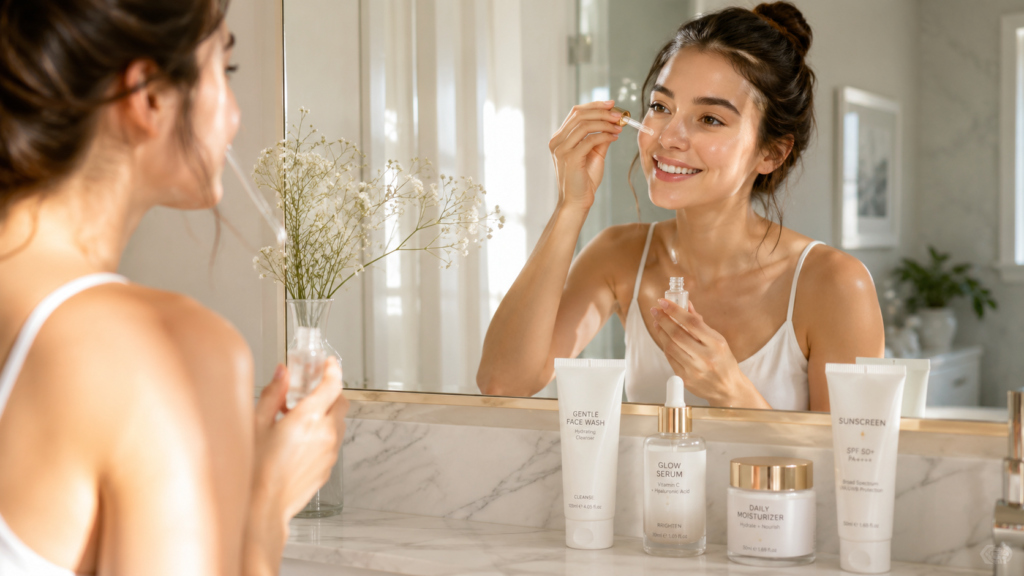
There changed in time after I thought properly pores and skin got here obviously. Every time I noticed a person with a clean, glowing face, I thought they must have been lucky. So, I kept trying random skincare products promoted by influencers, hoping that one of each of them could magically overhaul my pores and skin. Some products worked for a few days, while others left my pores and skin feeling dry, oily or indignant. I was spending cash without truly knowing what my pores and skin honestly needed.
Everything changed when I decided to stop following every skincare trend and awareness with basics. Instead of buying dozens of products, I built a simple habit with simply four essentials: a gentle face wash, a serum, a moisturizer, and sunscreen. At first, I didn’t look forward to dramatic results. But after using same habit always for a few weeks, I observed that my skin became smoother, healthier and much more even. My make-up looked higher, my pores and skin felt softer, and I subsequently understood that consistency is way extra crucial than having a steeply-priced skincare shelf.
One part I discovered throughout this journey is that every product has a motive. A face wash cleanses away dirt and excess oil, a serum targets specific issues like dullness or zits marks, a moisturizer keeps pores and skin hydrated, and sunscreen protects all the progress you’ve made against harmful UV rays. Once I started using them in precise order, my pores and skin started looking more healthy than ever earlier than.
In this weblog, I share all that I have personally discovered about constructing a simple yet powerful skincare routine. Whether you’re just starting your skincare journey or looking to improve your current recurring one, I hope my experience helps you avoid the mistakes I made and makes your journey easier. If those 4 products transformed my skin, they can help you achieve healthier, glowing skin too.
Skincare routine for beginners doesn’t have to be complicated. This step-by-step guide will help you build a simple daily routine for healthy, glowing skin.
Why a Daily Skincare Routine For Beginners Matters
The skin is the largest organ of the body that is constantly exposed to sunlight, pollution, dust, bacteria, and changing weather conditions. Every day it works hard to protect you from harmful external factors. Without proper care, the skin barrier can become weakened, leading to dryness, irritation, acne, uneven tone, and early signs of aging.
A consistent skincare routine supports the skin’s natural repair process. Cleansing removes impurities that accumulate throughout the day. Serums provide concentrated active ingredients to target specific issues like dark spots or dryness. Moisturizers replenish water loss and strengthen the skin’s defense barrier, while sunscreen protects the skin from harmful ultraviolet rays, which are responsible for premature aging and pigmentation.
Consistency is much more important than owning dozens of products. Even a simple routine followed every morning and evening can result in noticeable improvements over time. Healthy skin doesn’t happen overnight – it develops through regular care and patience.
Understanding Your Skin Type
Before purchasing skincare products, identifying your skin type is essential because every formula is designed for different needs.
Oily Skin
Oily skin produces excess sebum, often resulting in shiny skin, enlarged pores, and frequent acne breakouts. Lightweight gel-based products usually work best because they control oil without stripping the skin.
Dry Skin
Dry skin lacks moisture and often feels tight, rough, or flaky. Rich creams containing ceramides, glycerin, and hyaluronic acid help restore hydration and strengthen the skin barrier.
Combination Skin
Combination skin has both oily and dry areas. Typically, the forehead, nose, and chin become oily while the cheeks remain normal or dry. Balanced skincare products designed for combination skin can effectively address both concerns.
Sensitive Skin
Sensitive skin reacts easily to fragrances, alcohol, and harsh ingredients. Gentle, fragrance-free products with soothing ingredients like aloe vera, centella asiatica, or oat extract are generally better choices.
Normal Skin
Normal skin has balanced oil production with minimal sensitivity or dryness. Maintaining hydration and protecting against UV damage are the primary goals for this skin type.
Knowing your skin type helps you avoid unnecessary irritation and ensures each product works effectively.
Face Wash: The Foundation of Every Skincare Routine
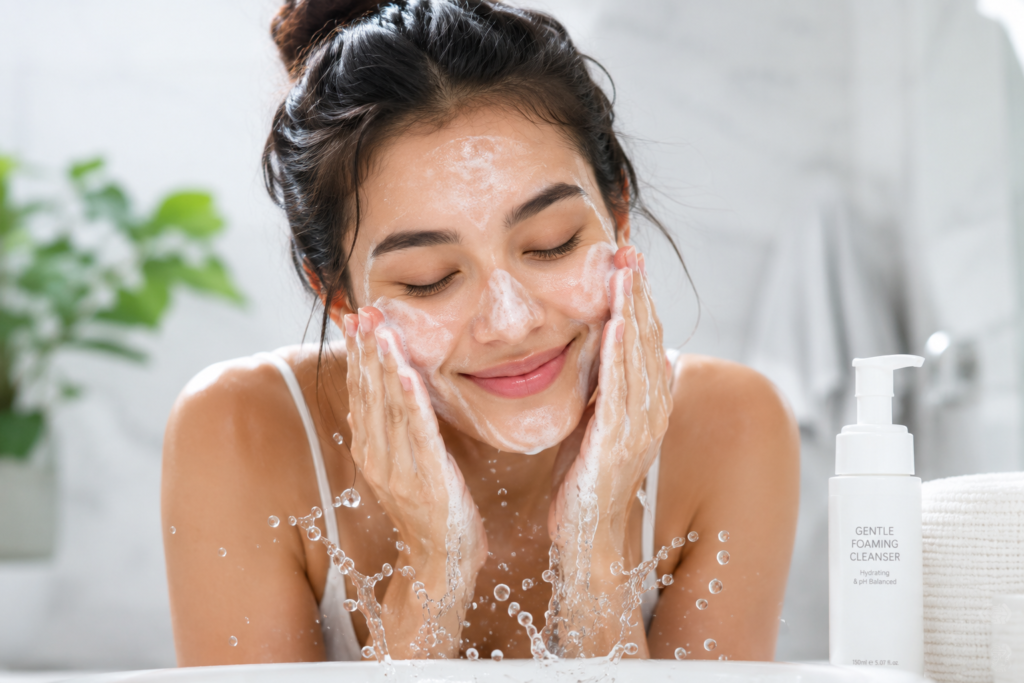
Face wash, also known as a facial cleanser, is the first and arguably the most important step in skincare. Throughout the day, your skin collects oil, sweat, dirt, debris from pollutants, sunscreen residue, and makeup. Without proper cleansing, those impurities can clog pores, contribute to acne, and make skin look dull.
A top-notch cleanser removes impurities while preserving your skin’s herb-protective barrier. Harsh cleansers can also create a “squeaky smooth” feel, but they regularly strip away essential oils, causing dryness or causing even more oil production.
There are several styles of cleansers available, including gel cleansers, cream cleansers, foaming cleansers, oil cleansers, and micellar waters. Gel cleansers are brilliant for shiny and zit-prone skin because they effectively remove excess oil. Cream cleansers provide extra hydration for dry or mature pores and skin, while gentle foaming cleansers provide a balanced cleanse for everyday and combination pores and skin.
Cleansing should be carried out twice a day – as soon as in the morning to remove the oil buildup in one day and again before bed to remove dust, makeup, sunscreen and environmental pollution. Massage the cleanser into damp skin, using circular motions for about one minute before rinsing thoroughly with lukewarm water.
How to Choose the Right Face Wash
Selecting the right cleanser depends largely on your skin type and concerns.
| Skin Type | Recommended Face Wash |
|---|---|
| Oily Skin | Gel cleanser with Salicylic Acid |
| Dry Skin | Cream cleanser with Ceramides |
| Sensitive Skin | Fragrance-free gentle cleanser |
| Combination Skin | Mild foaming cleanser |
| Acne-Prone Skin | Salicylic Acid or Benzoyl Peroxide cleanser |
Avoid cleansers containing excessive alcohol, artificial fragrance, or harsh sulfates if your skin tends to be sensitive.
My Recommendation:
I’ve personally found that a gentle, sulfate-free face wash works best for daily use. If you’re looking for a beginner-friendly option, you can check my recommended face wash here.
Serum: The Powerhouse of Skincare
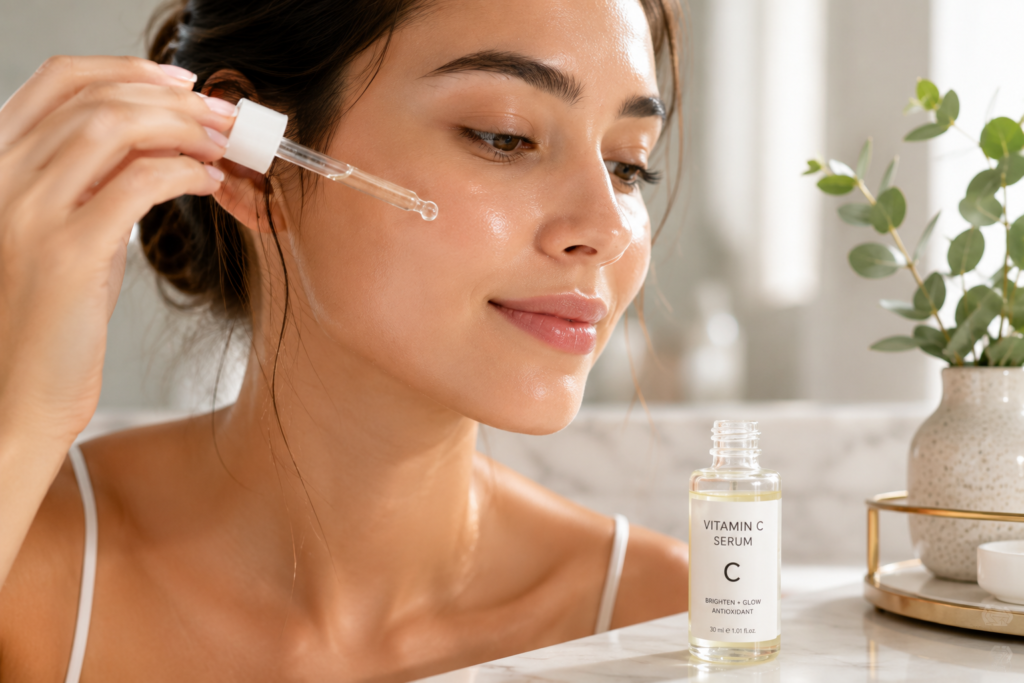
Serums are simple products formulated with many vibrant ingredients that are absorbed deeper into the skin than moisturizers. Think of the serum as a focused response designed to address specific skin concerns including fine lines, pores, dermatitis, acne scars, or cold sores.
Unlike liquid formulas, serums contain microscopic ingredients that deliver powerful effects without long absorption into the pores and skin. As a result, even a few sprays can dramatically improve the appearance and texture of pores and skin over the years.
One of the biggest advantages of serums is their versatility. Different products target specific concerns, allowing you to primarily personalize your skincare routine according to your owner’s preferences.
Some of the most effective serum ingredients include:
- Vitamin C for brightening and reducing dark spots
- Hyaluronic Acid for deep hydration
- Niacinamide for minimizing pores and balancing oil
- Retinol for anti-aging and skin renewal
- Peptides for improving skin elasticity
To apply a serum, place two to four drops onto clean skin immediately after cleansing. Gently press the product into your face rather than rubbing aggressively. Allow it to absorb completely before applying moisturizer.
Product I Recommend:
If you’re starting your skincare journey, a Vitamin C serum is a great choice. See my favorite serum here.
Moisturizer: The Secret to Soft, Healthy Skin
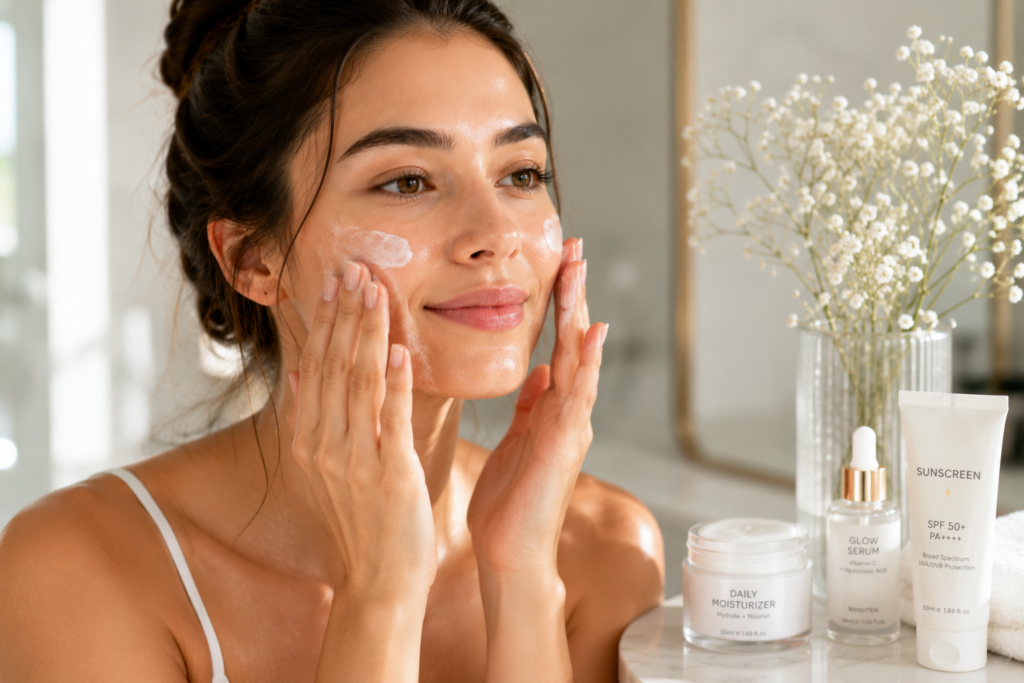
Many people believe moisturizers are only necessary if they have dry skin. In reality, every skin type needs a moisturizer, including oily and acne-prone skin. Moisturizers play a vital role in maintaining your skin’s natural barrier, preventing water loss, and protecting against environmental damage. Even if your skin produces excess oil, it can still be dehydrated beneath the surface. Skipping moisturizer may actually encourage your skin to produce more oil in an attempt to compensate for the lack of hydration.
A moisturizer works by locking in the water already present in your skin while providing ingredients that repair and strengthen the skin barrier. This barrier is your first line of defense against pollution, bacteria, allergens, and harsh weather conditions. When the barrier is damaged, you may experience redness, irritation, peeling, or increased sensitivity. Using the right moisturizer consistently helps restore balance, improves skin texture, and creates a smoother, healthier complexion.
Modern moisturizers contain a variety of beneficial ingredients that address different skin concerns. Hyaluronic acid attracts and retains moisture, ceramides rebuild the protective barrier, glycerin draws water into the skin, and squalene provides lightweight nourishment without feeling greasy. People with oily skin often prefer gel-based moisturizers that absorb quickly, while those with dry or mature skin usually benefit from richer creams that offer longer-lasting hydration. Applying moisturizer twice a day—after cleansing and applying serum—helps seal in active ingredients and keeps the skin comfortable throughout the day.
How to Choose the Best Moisturizer for Your Skin Type
Choosing the right moisturizer is just as important as using one regularly. The ideal product should match your skin’s needs without clogging pores or causing irritation.
| Skin Type | Recommended Moisturizer |
|---|---|
| Oily Skin | Oil-free gel moisturizer |
| Dry Skin | Rich cream with ceramides and shea butter |
| Combination Skin | Lightweight lotion |
| Sensitive Skin | Fragrance-free moisturizer |
| Acne-Prone Skin | Non-comedogenic gel cream |
| Mature Skin | Peptide and ceramide-rich cream |
When shopping for a moisturizer, look for labels such as non-comedogenic, fragrance-free, and dermatologist-tested if you have sensitive or acne-prone skin. Avoid products containing excessive alcohol or heavy fragrances, as these can dry out or irritate the skin over time.
Another helpful tip is to apply moisturizer while your skin is still slightly damp after cleansing or applying a hydrating serum. This helps trap moisture inside the skin, making the product more effective. Consistent hydration not only improves comfort but also supports smoother makeup application and enhances your skin’s natural glow.
My Favorite Moisturizer:
This moisturizer keeps my skin hydrated without feeling greasy. Check today’s price here.
Sunscreen: Your Best Defense Against Premature Aging
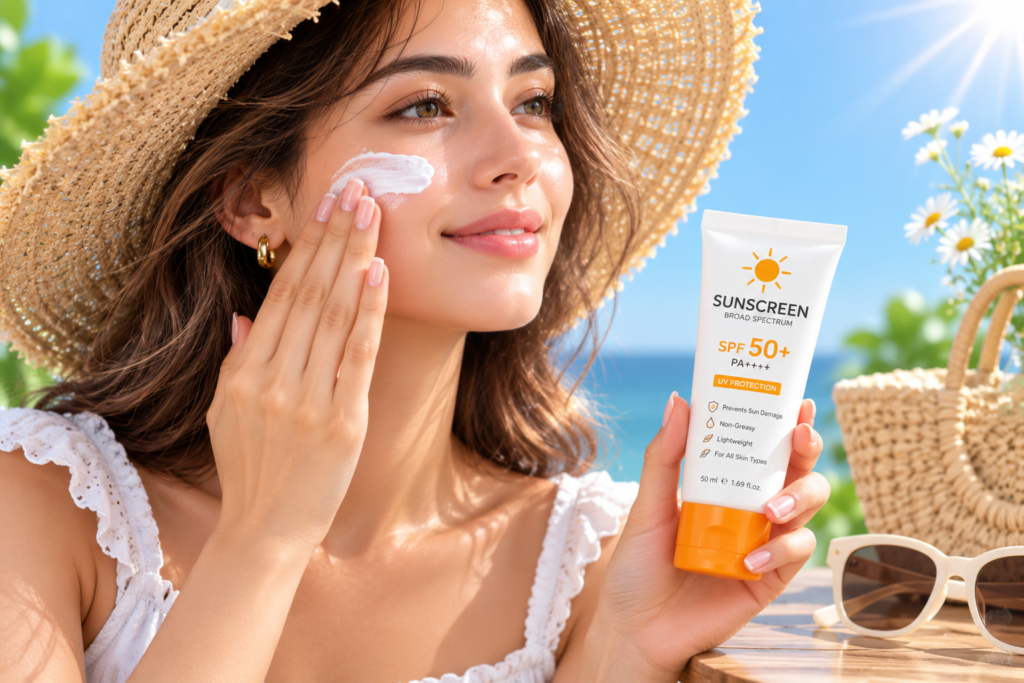
If there’s one skincare product that experts consistently endorse over others, it’s Miles sunscreen. While cleansers, serums, and moisturizers improve your skin, sunscreen protects those improvements from undoing through ultraviolet (UV) rays. Daily sun exposure contributes to premature aging, wrinkles, dark spots, uneven pigmentation and increases the risk of skin cancer. Even on cloudy days, as much as 80% of UV radiation can still reach your skin, making sunscreen a regular necessity.
Sunscreen works by both absorbing and reflecting harmful UV rays before they can damage the skin. There are main types: chemical sunscreens, which absorb UV rays, and mineral (physical) sunscreens, which contain ingredients like zinc oxide or titanium dioxide that sit on the floor of the skin and mimic UV rays. Both can be effective when used correctly, and the right preference often depends on non-public choice and skin sensitivity.
For every day use, choose a broad-spectrum sunscreen with SPF 30 or higher. Broad-spectrum safety mode protects the skin from both UVA rays, which cause aging, and UVB rays, which cause sunburn. Apply sunscreen generously, as the very last step of your morning skincare routine is normal, masking your face, neck, ears and any exposed areas. If you’re outside, dizzy or sweaty, reapply every two hours for lasting protection.
Using sunscreen every day is one of the best yet most effective habits for maintaining younger, healthier skin. It helps preserve collagen, reduces pigmentation, and prevents many common signs of aging before they appear.
How to Select the Right Sunscreen
Different formulations work better for different lifestyles and skin types. Choosing a sunscreen you’ll enjoy wearing every day is key to staying consistent.
| Skin Type | Best Sunscreen Type |
|---|---|
| Oily Skin | Oil-free matte gel SPF 50 |
| Dry Skin | Hydrating cream SPF 30–50 |
| Sensitive Skin | Mineral sunscreen with zinc oxide |
| Combination Skin | Lightweight lotion SPF 50 |
| Acne-Prone Skin | Non-comedogenic fluid sunscreen |
When selecting a sunscreen, consider your daily routine. If you wear makeup, lightweight fluid or gel formulas layer more comfortably underneath cosmetics. If you spend extended time outdoors, opt for a water-resistant sunscreen for added durability. Remember that sunscreen is only one part of sun protection—wearing sunglasses, hats, and seeking shade during peak sunlight hours further reduces UV exposure.
Don’t Skip Sunscreen!
A broad-spectrum SPF 50 sunscreen has become a daily essential for me. View the sunscreen I recommend here.
The Correct Order of Your Skincare Routine
Applying skincare products in the correct sequence allows each product to work as intended. A common rule is to apply products from the lightest consistency to the heaviest consistency. Lightweight products absorb quickly and deliver active ingredients directly to the skin, while heavier products seal in moisture and provide protection.
A simple morning routine typically begins with cleansing to remove overnight oil and impurities. Next comes a serum tailored to your skin concerns, followed by moisturizer to lock in hydration. Sunscreen is always the final step before makeup. At night, cleansing removes makeup, sunscreen, and pollution accumulated throughout the day. After cleansing, apply your serum, then finish with moisturizer. If you use treatments such as retinol, they are generally applied after cleansing and before moisturizer unless otherwise directed.
Following the correct order ensures that expensive skincare products are not wasted. Applying moisturizer before serum, for example, can create a barrier that prevents active ingredients from penetrating effectively. Likewise, applying sunscreen before moisturizer may reduce its ability to form an even protective layer. Consistency in both product choice and application order often leads to better long-term results than frequently changing products.
Morning Skincare Routine
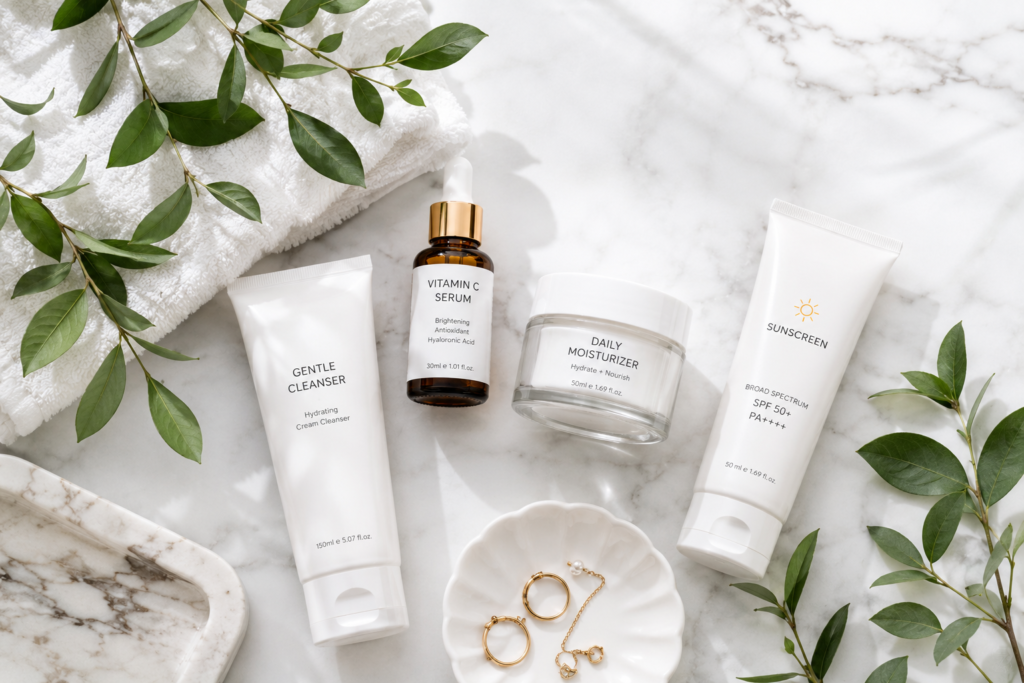
- Cleanser – Remove overnight oil and impurities.
- Serum – Apply a brightening or hydrating serum, such as Vitamin C.
- Moisturizer – Hydrate and strengthen the skin barrier.
- Sunscreen – Finish with SPF 30 or higher.
This routine prepares your skin for daily environmental exposure while keeping it hydrated and protected.
Night Skincare Routine
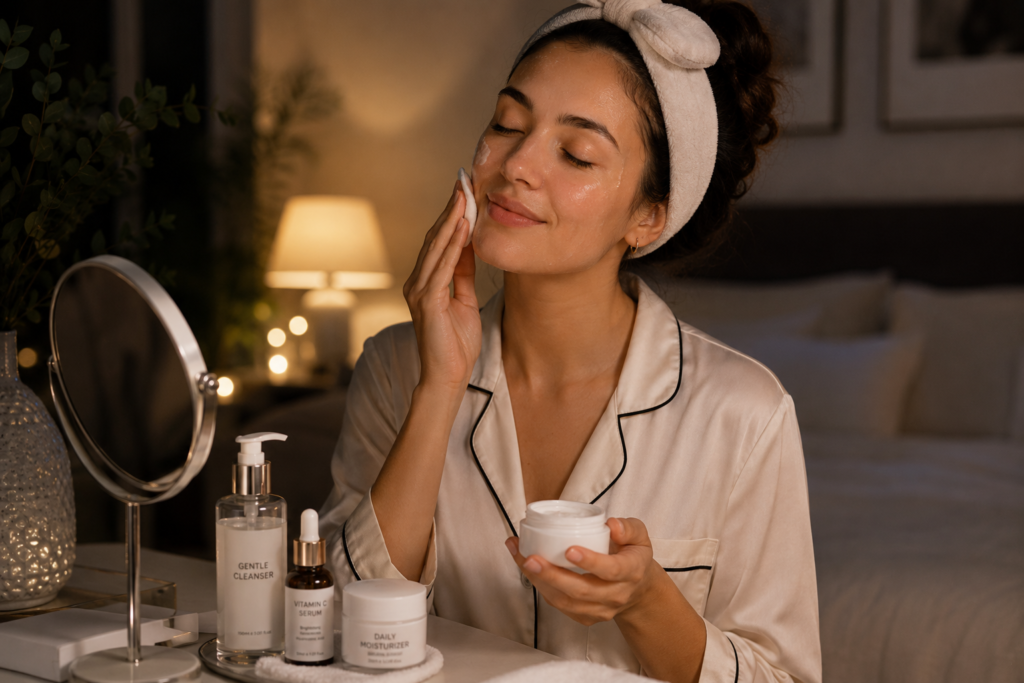
- Cleanser – Remove makeup, sunscreen, dirt, and excess oil.
- Treatment Serum – Use ingredients such as hyaluronic acid, niacinamide, or retinol (as appropriate).
- Moisturizer – Restore hydration and support overnight skin repair.
Nighttime is when your skin naturally repairs itself, making it the ideal time for restorative treatments and rich hydration.
Common Skincare Mistakes to Avoid
Even the best skincare products cannot deliver optimal results if they are used incorrectly. One of the most common mistakes is over-cleansing, which strips away the skin’s natural oils and weakens its protective barrier. Washing your face more than twice a day or using harsh scrubs too frequently can lead to dryness, irritation, and increased oil production.
Another frequent mistake is trying too many new products at once. Introducing multiple active ingredients simultaneously makes it difficult to identify which product is working—or causing irritation. Instead, introduce one new product every few weeks and observe how your skin responds. Patience is essential, as many skincare ingredients require several weeks of consistent use before visible improvements appear.
People also tend to underestimate the importance of sunscreen. Applying it only during beach trips or sunny vacations leaves the skin vulnerable to daily UV exposure. Small amounts of sun damage accumulate over time, contributing to pigmentation and premature aging. Finally, avoid picking pimples or touching your face excessively, as this can spread bacteria, worsen inflammation, and increase the risk of scarring.
By avoiding these common mistakes and following a simple, consistent routine, you create the foundation for healthier, stronger, and more radiant skin.
Lifestyle Habits That Support Healthy Skin
Even the most expensive skincare products cannot replace healthy daily habits. Your skin reflects your overall lifestyle, including your diet, hydration, sleep quality, stress levels, and physical activity. Building a healthy lifestyle alongside your skincare routine often leads to more noticeable and longer-lasting improvements than relying on products alone.
Hydration is one of the most effective ways to support healthy skin. Drinking enough water helps maintain your body’s normal functions and supports overall skin health. Pair this with a balanced diet rich in fruits, vegetables, lean proteins, healthy fats, and whole grains to provide essential vitamins, minerals, and antioxidants. Foods containing vitamins A, C, and E, along with omega-3 fatty acids, can support skin health when included as part of a balanced eating pattern.
Sleep is another essential factor. During sleep, your body undergoes repair and recovery processes that benefit the skin. Most adults should aim for 7–9 hours of quality sleep each night. Managing stress through exercise, meditation, or hobbies may also help reduce stress-related skin flare-ups in some individuals. Avoid smoking, limit excessive alcohol intake, clean makeup brushes regularly, and change pillowcases frequently to minimize the buildup of oil and bacteria that can contribute to skin issues.
Seasonal Skincare Tips
Your skincare routine should evolve with the seasons because environmental conditions affect your skin differently throughout the year. A routine that works perfectly during humid summer months may not provide enough hydration during cold winter weather. Paying attention to seasonal changes helps maintain healthy, balanced skin all year long.
During summer, increased heat and humidity often lead to higher oil production and more perspiration. Lightweight gel moisturizers, gentle cleansers, and broad-spectrum sunscreen become especially important. Reapplying sunscreen every two hours when outdoors is essential, and wearing hats or sunglasses provides additional protection. Those with oily skin may also benefit from blotting papers or oil-free products to control shine without over-cleansing.
In winter, lower humidity and indoor heating can strip moisture from the skin, leading to dryness and irritation. Switching to a richer moisturizer, reducing the use of harsh exfoliants, and using lukewarm instead of hot water when washing your face can help preserve the skin barrier. Throughout every season, listen to your skin and adjust products based on how it feels rather than following the exact same routine year-round.
Conclusion

Healthy, glowing pores and skin is not always done through expensive products by myself-it is the result of a consistent routine built with the right basics. Cleansing removes impurities, serum provides concentrated vital ingredients, moisturizer tightens the skin barrier and retains moisture, while sunscreen protects against considered one of the biggest causes of premature aging and pigmentation. Together, the four products create a complete skincare routine suitable for most people regardless of skin type.
Choosing products based primarily on your skin desires in preference to advertising trends will help you avoid pointless irritation and ultimately save money. Give new products enough time to work, protect your skin every day with sunscreen, and guide your habits with healthy lifestyle habits that include proper sleep, balance, hydration, and stress management.
Beautiful skin is not about perfection. It’s ready to maintain healthy skin that feels supple, resilient, and nicely cared for. With persistence, consistency, and savvy product selection, you can build a recurring skincare routine that offers lasting results and keeps your complexion looking clean, healthy, and radiant for years to come.
Ready to Build Your Skincare Routine?
These are the same types of products I recommend for beginners. If you’d like to see the ones I personally suggest, you can explore them below:
🧴 Face Wash → (Buy now)
✨ Vitamin C Serum → (Buy now)
💧 Moisturizer → (Buy now)
☀️ Sunscreen → (Buy now)
Frequently Asked Questions (FAQs)
1. Should I use serum before or after moisturizer?
Always apply serum before moisturizer. Serums are lightweight and formulated to penetrate the skin, while moisturizers seal in hydration and help lock the serum in place.
2. Can I skip moisturizer if I have oily skin?
No. Oily skin still needs hydration. Choose a lightweight, oil-free, non-comedogenic moisturizer to maintain your skin barrier without making your skin feel greasy.
3. Is sunscreen necessary indoors?
Yes. If you’re exposed to sunlight through windows or spend time near natural daylight, wearing a broad-spectrum SPF 30 or higher is still recommended as part of your morning skincare routine.
4. How long does it take to see skincare results?
Hydration improvements may be noticeable within a few days, while concerns such as acne marks, uneven skin tone, or fine lines often require 6–12 weeks of consistent product use.
5. Can I use Vitamin C and Niacinamide together?
Yes. Modern formulations generally allow Vitamin C and Niacinamide to be used together in the same routine, and many people find that they complement each other by improving brightness, supporting the skin barrier, and enhancing overall skin health.