Introduction
I used to hide my hair under a ponytail almost every day. No matter how much I brushed it or tried different hairstyles, my hair always looked dry, frizzy, and lifeless. Every time I washed my hair, I noticed dozens of strands falling into the shower drain, and honestly, it made me cry. I spent hours watching beauty influencers and reading product reviews, hoping I would finally find the one shampoo or hair oil that could solve all my problems. Instead, I ended up with a shelf full of expensive products that didn’t deliver the results I expected.
The day, I realized that the problem wasn’t just the products, it was my routine. I was washing my hair too often, skipping conditioner because I thought it would make my hair greasy, and using heat styling tools almost every day without any protection. Looking back, I was unknowingly damaging my own hair. That day I decided to stop following every viral trend and target myself to build a simple, consistent hair care routine.
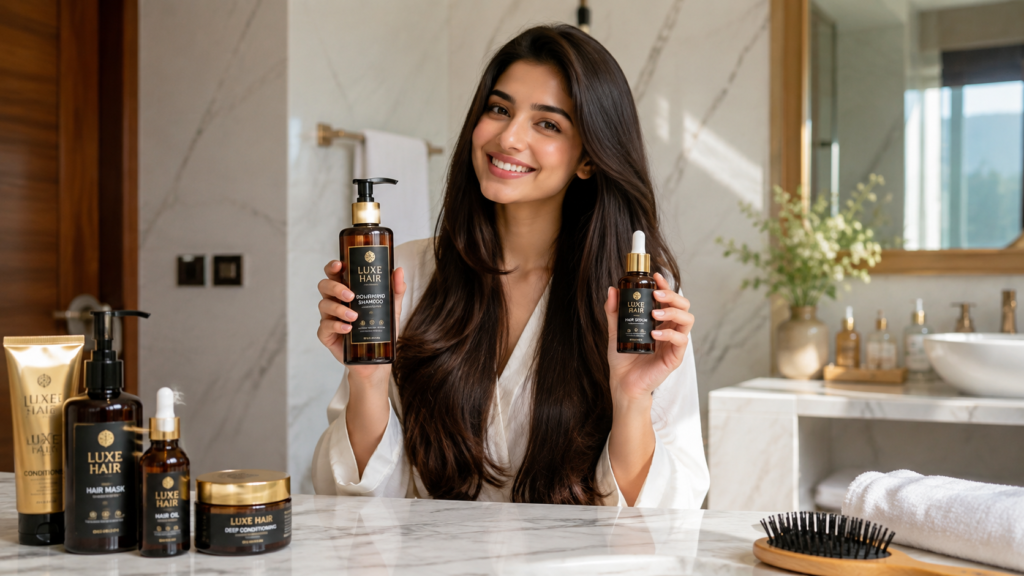
I started with the basics: choosing the right shampoo for my hair type, using a nourishing conditioner after every wash, applying hair oil once or twice a week, and finishing with a lightweight hair serum to control frizz. I also made small lifestyle changes like drinking more water, eating healthier foods, and reducing the use of heat styling tools. I didn’t see dramatic results overnight, but after a few weeks, I noticed something different. My hair felt softer, looked shinier, and I wasn’t losing as much hair as before. For the first time in a long time, I actually enjoyed leaving my hair open.
In this blog, I’m sharing everything I’ve learned throughout my hair care journey. These are the habits, products, and simple changes that genuinely made a difference for me. Whether you’re dealing with hair fall, dryness, frizz, split ends, or just want healthier-looking hair, I hope my experience helps you avoid the mistakes I made. Remember, healthy hair isn’t about using the most expensive products, it’s about understanding your hair, being patient, and staying consistent with a routine that works for you.
Why I Started Taking Hair Care Seriously
For a long time, I just never paid much attention to my hair. I believed that using a grocery store shampoo was sufficient to keep it healthy. Whenever my hair became dry or started falling out, I would sincerely switch to another product, hoping it would magically fix the problem. Looking back now, I recognize that I started treating the symptoms instead of understanding the real motive. My hair has become hard, frizzy and difficult to manipulate, and I slowly started to lose confidence with each occasion I appeared in the replica.
The turning point came when I observed that when I brushed or rinsed my hair, a large number of strands would fall out. At first, I left it out because I thought it was becoming mundane. But after a few months, I realized that my ponytail had thinned out and my hair wasn’t as much as it used to be. I also noticed split ends, excessive dryness, and a loss of shine. That’s when I decided to stop relying on random social media traits and start mastering proper hair care.
Upon additional research, I discovered that healthy hair isn’t just about buying expensive merchandise. It’s about knowing your hair type, choosing products with the right elements, and always sticking to a routine. I discovered that over-washing my hair stripped it of its natural oils, that skipping conditioner made my hair dehydrated, and using a hairstyle several times a week without heat protection turned into causing pointless damage. These had been simple mistakes, but they had affected the overall health of my hair.
I decided to make a few small changes instead of completely changing everything overnight. I switched to a sulfate-free shampoo that suited my hair type, started using conditioner after every wash, and treated my hair to a nourishing oil massage once a week. I also began applying a lightweight hair serum after washing my hair to reduce frizz and add shine. At first, I didn’t expect much, but after about a month, I could genuinely see and feel the difference. My hair became softer, smoother, and much easier to style. Most importantly, I noticed far less hair fall than before.
This experience taught me one of the biggest lessons in hair care: consistency is far more important than expensive products. There isn’t a single miracle product that can transform your hair overnight. Healthy, beautiful hair comes from taking care of it every day, making better choices, and giving it time to recover. That realization completely changed my approach to hair care, and today, my routine is much simpler, more effective, and much more enjoyable than it ever was before.
Understanding My Hair Type
One of the biggest mistakes I made at the beginning of my hair care journey was assuming that every hair product would work for everyone. Whenever I saw someone recommending a shampoo or hair oil on social media, I would immediately buy it without thinking about whether it was actually suitable for my hair. Sometimes the product worked for a few days, but most of the time, my hair either became too oily, too dry, or even started falling out more than before. It was frustrating because I felt like I was wasting both my money and my time.
After doing some research and paying closer attention to my hair, I realized something very important: understanding your hair type is the first step toward healthy hair. Just like skincare products are chosen based on your skin type, hair care products should also be selected according to your hair’s specific needs. Once I identified my own hair type, choosing the right shampoo, conditioner, hair oil, and serum became much easier, and I finally started seeing real improvements.
If you’re just beginning your hair care journey, I highly recommend taking a few minutes to understand your hair before buying new products. Trust me, this one small step can save you from making the same mistakes I made.
Oily Hair
There was a period when I felt like my hair became greasy only a day after washing it. By the second day, my roots looked flat, oily, and lifeless, even though the rest of my hair wasn’t particularly dirty. I used to think washing my hair every single day was the solution, but it actually made things worse. My scalp kept producing even more oil because I was constantly stripping away its natural moisture.
If your hair becomes oily very quickly, you probably have an oily scalp. This doesn’t mean your hair is unhealthy—it simply means your scalp produces more natural oil than average. The key is to use a lightweight shampoo that cleanses effectively without being too harsh. I also learned to avoid applying conditioner directly to my scalp and instead focused only on the mid-lengths and ends of my hair. Small changes like these made my hair feel much fresher for longer.
Dry Hair
At one point, my hair felt rough every time I touched it. No matter how much I brushed it, it always looked dull, tangled, and full of split ends. I blamed the weather at first, but later I realized my hair had become dry because I was using too much heat, washing it with very hot water, and skipping conditioner altogether.
Dry hair usually lacks moisture and natural oils, making it more prone to breakage and frizz. What really helped me was switching to a hydrating shampoo, using a rich conditioner after every wash, and applying hair oil once or twice a week. I also started letting my hair air dry whenever possible instead of using a hair dryer every time. Within a few weeks, my hair felt softer, looked shinier, and became much easier to manage.
Combination Hair
This has definitely been my hair type, and it took me some time to figure it out. My hair could feel instantly oily, yet the ends of my hair were left dry and frizzy. I couldn’t understand why one shampoo wasn’t addressing both issues at the same time. Eventually, I realized that having thick hair can be quite common.
For combination hair, balance is everything. I use a gentle shampoo that controls excess oil without drying out my scalp, and I always apply conditioner only to the lengths and ends of my hair. A lightweight hair serum also helps keep my ends smooth without making my roots greasy. Once I started treating different parts of my hair differently, I finally noticed healthier, more balanced hair.
Curly Hair
Although my hair isn’t naturally curly, some of my friends have beautiful curls, and I’ve learned a lot from watching how they care for them. Curly hair tends to be naturally drier because the scalp’s natural oils have a harder time traveling down the twists and curls of each strand. That’s why curls often need more moisture than straight hair.
If you have curly hair, choose moisturizing shampoos and conditioners, use a leave-in conditioner if needed, and avoid brushing your hair when it’s dry, as this can lead to frizz and breakage. I’ve noticed that people with curly hair who embrace their natural texture and keep it well-moisturized usually have healthier, more defined curls than those who constantly use heat styling tools.
Straight Hair
Straight hair often looks naturally shiny because the scalp’s natural oils travel more easily from the roots to the ends. While this can make hair appear healthy, it also means straight hair may become oily more quickly than other hair types. I have friends with straight hair who need to wash it more frequently because their roots become greasy within a day or two.
If you have straight hair, lightweight products usually work best. Heavy oils and thick creams can weigh the hair down and make it look flat. A gentle shampoo, a lightweight conditioner, and a small amount of hair serum on the ends are usually enough to keep straight hair looking smooth, healthy, and shiny without making it feel greasy.
Shampoo – The First Step to Healthy Hair
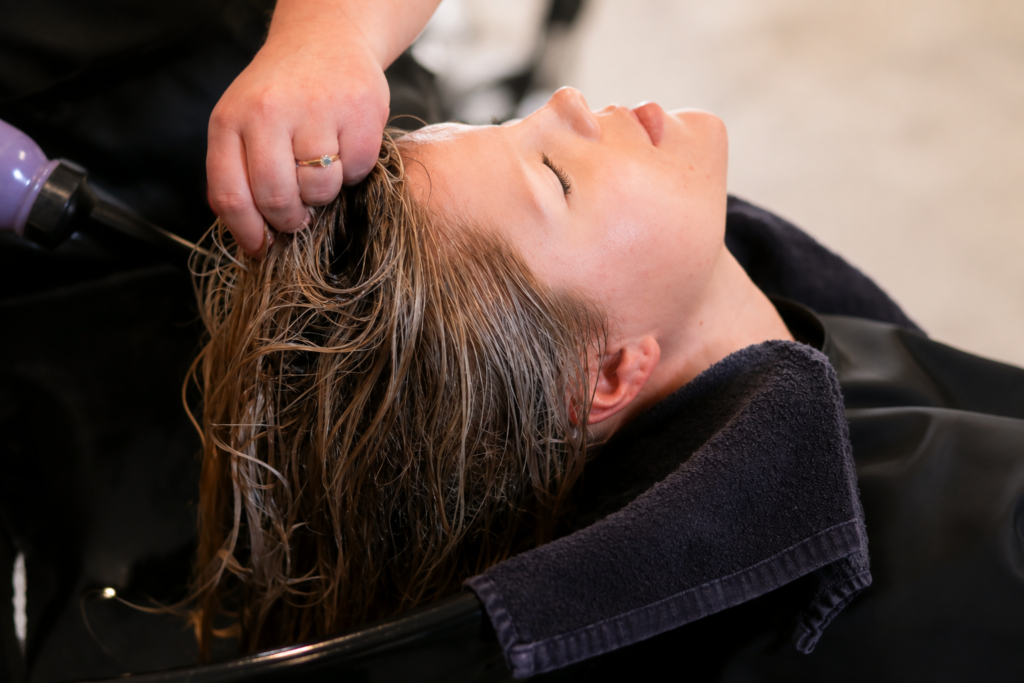
If there’s one product that completely changed my hair care routine, it’s definitely shampoo. I used to think that all shampoos were basically the same, so I would buy whichever one looked attractive or was on sale. Sometimes I even chose a shampoo just because I liked its fragrance. At that time, I had no idea that using the wrong shampoo could actually make my hair problems worse. Some shampoos left my scalp feeling dry and itchy, while others made my hair look oily just a day after washing it. I kept switching between different brands, expecting instant results, but nothing seemed to work.
Everything changed when I stopped buying products based on advertisements and started choosing a shampoo according to my hair type. I learned that shampoo isn’t just about cleaning your hair—it’s about keeping your scalp healthy. A healthy scalp is the foundation of healthy hair because that’s where your hair grows. Once I found a shampoo that suited my hair, I noticed that my scalp felt cleaner, my hair stayed fresh for longer, and even my hair fall seemed to reduce over time.
Now, I don’t believe in buying the most expensive shampoo. I believe in finding one that matches your hair’s needs. If your scalp is oily, choose a lightweight clarifying shampoo. If your hair is dry or damaged, go for a moisturizing formula with nourishing ingredients. It may take a little trial and error, but once you find the right shampoo, your hair will thank you for it.
Another lesson I learned is that shampoo alone can’t solve every hair problem. It works best when it’s part of a complete routine that includes conditioner, hair oil, and a healthy lifestyle. Shampoo is simply the first and most important step because it prepares your scalp and hair for everything that follows.
How I Chose the Right Shampoo
Choosing the right shampoo wasn’t easy at first because there were hundreds of options available. Every bottle promised stronger hair, faster growth, more shine, or less hair fall. Honestly, I felt confused every time I stood in the hair care aisle. I realized that beautiful packaging and big marketing claims don’t always mean a product is right for your hair.
The first thing I did was identify my hair type. Since I have a combination hair type with an oily scalp and dry ends, I knew I needed something that could clean my scalp without drying out the rest of my hair. I also started reading ingredient labels instead of only looking at the front of the bottle. I looked for ingredients that nourish the hair and tried to avoid formulas that felt too harsh for regular use.
Over time, I discovered that my hair responds much better to gentle, sulfate-free shampoos. They clean my scalp without making it feel stripped or uncomfortable. I also learned that I didn’t need to wash my hair every single day. Washing it two or three times a week was enough to keep it fresh while allowing my scalp to maintain its natural balance.
Now, whenever someone asks me for shampoo recommendations, I always say the same thing: don’t buy a shampoo because it’s trending—buy it because it’s right for your hair type. What works perfectly for one person may not work for another, and that’s completely normal. Hair care is personal, and understanding your own hair makes all the difference.
Mistakes I Used to Make While Washing My Hair
Looking back, I made almost every hair-washing mistake you can imagine. The biggest one was using extremely hot water because it felt relaxing. I never realized that hot water could remove too much of my hair’s natural oils, leaving it dry, rough, and difficult to manage. Once I switched to lukewarm water, I immediately noticed that my hair felt softer after every wash.
Another mistake was using far too much shampoo. I believed that more shampoo would clean my hair better, but all it did was make my scalp dry. I later learned that a small amount is usually enough, especially if you massage it properly into your scalp. Instead of focusing on the lengths of my hair, I now gently massage the shampoo into my scalp and let the lather clean the rest of my hair as I rinse it out.
I also used to scrub my scalp aggressively with my nails, thinking it would remove dirt more effectively. Instead, it irritated my scalp and sometimes caused redness. Now I gently massage my scalp using my fingertips in circular motions, which feels much more comfortable and helps improve blood circulation.
One habit I’m especially glad I changed was rubbing my wet hair with a towel. I had no idea that wet hair is much more fragile than dry hair. The rough towel created friction that led to frizz and breakage. Today, I gently squeeze out excess water with a soft microfiber towel or a cotton T-shirt, and I let my hair air dry whenever possible.
The biggest lesson I’ve learned is that healthy hair isn’t only about the products you buy—it’s also about how you treat your hair every single day. Small habits, like using the right water temperature, washing gently, and avoiding unnecessary friction, may seem insignificant at first, but over time they can make a huge difference in the health, strength, and appearance of your hair.
Conditioner – The Product I Never Skip
I have to admit, there was a time when I thought conditioner was completely unnecessary. I believed shampoo was enough to keep my hair clean and healthy, so I would simply wash my hair and skip the conditioner. My reasoning was simple—I thought conditioner would make my hair greasy and flat. Looking back, I couldn’t have been more wrong.
After every wash, my hair felt rough, tangled, and difficult to comb. I noticed more hair breaking while brushing because the strands were so dry. No matter how expensive my shampoo was, my hair never looked smooth or shiny. I even spent money on hair serums, hoping they would fix the problem, but the results were only temporary. That’s when I realized I was missing one of the most important steps in my hair care routine.
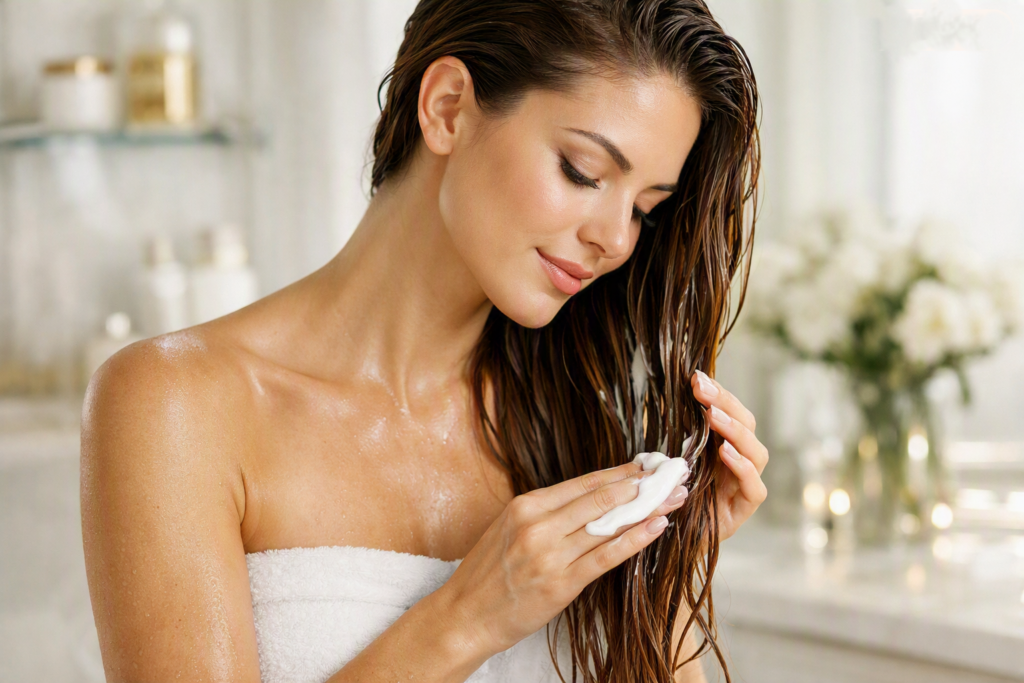
When I finally started using conditioner regularly, the difference surprised me. The first thing I noticed was how much softer my hair felt after drying. It became easier to detangle, and I no longer had to pull my hair while brushing it. My frizz was reduced, my hair looked shinier, and I started receiving compliments from friends who asked if I had done a hair treatment at a salon. The truth was much simpler—I had just started using conditioner consistently.
What I love most about conditioner is that it helps restore the moisture that shampoo can remove during cleansing. Shampoo’s job is to clean the scalp, while conditioner’s job is to nourish and protect the hair strands. Together, they create the perfect balance. Now, I never skip conditioner because I know it’s one of the easiest ways to keep my hair healthy, manageable, and less prone to breakage.
Another thing I learned is that not every conditioner works the same way. Some are lightweight and perfect for fine or oily hair, while others are rich and creamy, making them ideal for dry or damaged hair. Instead of choosing the most expensive product, I always choose one that matches my hair’s needs. That small change has made a noticeable difference in how my hair looks and feels every day.
Why Conditioner Changed My Hair
If someone asked me which hair care product made the biggest difference after shampoo, my answer would definitely be conditioner. Before I started using it, my hair constantly felt dry and looked dull. Every time I brushed my hair, I could hear it snapping because it had become so weak and brittle. I thought this was normal, but it wasn’t.
Within just a few weeks of using conditioner after every wash, my hair became much smoother. I noticed fewer tangles, which meant less pulling and less hair breakage during brushing. My hair also became easier to style because it wasn’t as frizzy or dry anymore. Instead of spending twenty minutes trying to make my hair look presentable, I could simply brush it, apply a little hair serum, and leave the house.
One thing that surprised me was how much healthier my hair looked overall. Conditioner doesn’t magically repair damaged hair overnight, but it does create a protective layer around each strand, helping to reduce moisture loss and friction. This means your hair is less likely to break when you brush it, tie it up, or style it. Over time, those small improvements add up, and your hair starts looking stronger and shinier.
I also noticed that conditioner helped reduce split ends. While it can’t permanently repair split ends once they appear, it keeps the hair hydrated and flexible, which helps prevent new damage from happening so quickly. Combined with regular trims and gentle hair care habits, conditioner became one of the reasons my hair started looking healthier than it had in years.
How I Apply Conditioner Correctly
When I first started using conditioner, I made a common mistake—I applied it from my scalp all the way to the ends of my hair. Within a day, my roots looked oily, and I assumed the conditioner was the problem. Later, I learned that I was simply applying it incorrectly.
Now, after rinsing out my shampoo, I gently squeeze the excess water from my hair before applying conditioner. I take a small amount and spread it evenly through the mid-lengths and ends of my hair because those areas are usually the driest and most damaged. I completely avoid applying conditioner directly to my scalp unless it’s specifically designed for scalp care.
Once the conditioner is evenly distributed, I use my fingers or a wide-tooth comb to gently detangle my hair. This helps the product coat every strand while reducing unnecessary breakage. I leave the conditioner on for two to five minutes, giving it enough time to moisturize and soften my hair before rinsing it out with cool or lukewarm water.
One habit that has made a big difference is being patient. In the past, I used to rinse conditioner out almost immediately because I thought leaving it on longer didn’t matter. Now I treat those few minutes as a little self-care break. I let the conditioner do its job while I finish the rest of my shower routine, and I genuinely notice the difference afterward.
Since adopting this simple method, my hair has become softer, shinier, and much easier to manage. It no longer feels rough after washing, and I don’t struggle with as many tangles as I used to. This experience taught me that sometimes it’s not about buying more products—it’s about using the products you already have in the right way. For me, conditioner has become an essential part of my hair care routine, and I honestly can’t imagine skipping it anymore.
Hair Oil – My Weekly Hair Care Secret
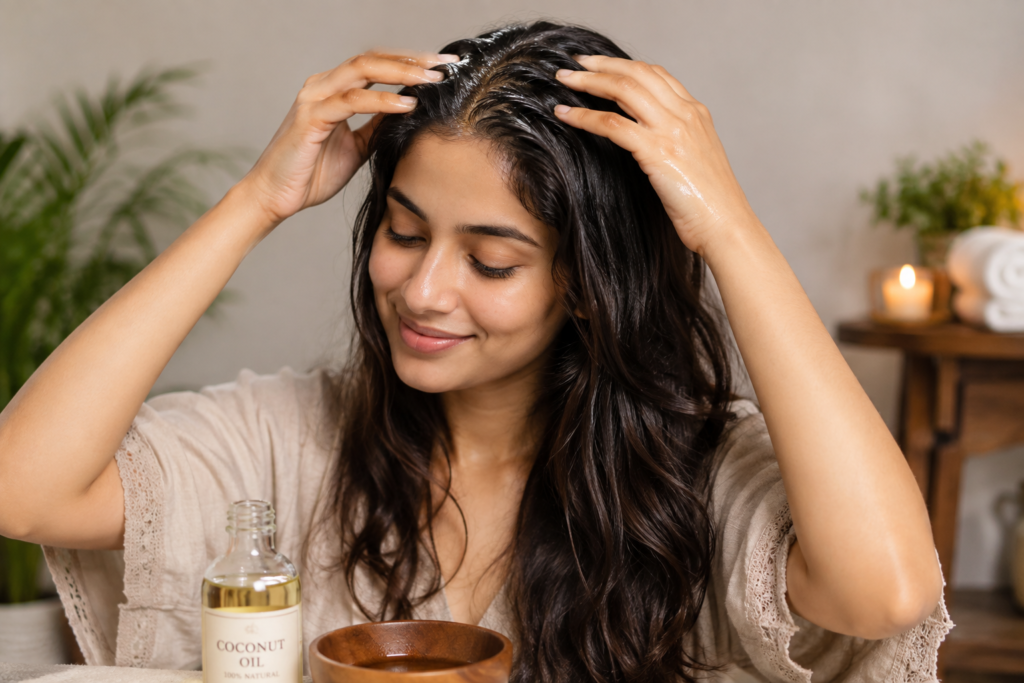
If someone had asked me a few years ago whether hair oil was really necessary, I probably would have said no. I used to think hair oil was old-fashioned and something only our mothers and grandmothers believed in. I preferred using expensive shampoos and serums because they seemed more modern, and honestly, I thought they would give me faster results. But after dealing with constant hair fall, dryness, and split ends, I decided to give hair oiling a proper chance—and I’m so glad I did.
The first few times I applied hair oil, I wasn’t expecting any miracles. I simply massaged a small amount into my scalp and left it on for a couple of hours before washing my hair. After a few weeks of doing this consistently, I started noticing small changes that slowly became impossible to ignore. My scalp felt healthier, my hair became softer, and the excessive dryness I used to struggle with slowly disappeared. Even my hair looked shinier without using any styling products.
One thing I learned during this journey is that hair oil doesn’t instantly make your hair grow overnight, despite what many advertisements claim. Instead, it creates a healthy environment for your scalp, reduces dryness, nourishes the hair strands, and protects them from everyday damage. For me, hair oiling became more than just another beauty step—it turned into a relaxing self-care ritual that I genuinely look forward to every week.
Today, I never skip my weekly oil massage. It’s one of those simple habits that doesn’t take much effort but gives long-term benefits. Every time I finish my hair wash after oiling, my hair feels smoother, looks healthier, and is much easier to manage. It’s amazing how one traditional habit made such a noticeable difference in my modern hair care routine.
Best Oils for Different Hair Types
One mistake I made when I first started oiling my hair was assuming that every hair oil worked the same way. I bought whichever bottle looked attractive or had the nicest fragrance without paying attention to the ingredients. Later, I realized that different oils have different benefits, and choosing the right one depends on your hair type and concerns.
For my own hair, I found that lightweight oils worked much better because my scalp can become oily quite easily. Heavy oils sometimes made my hair feel greasy and difficult to wash out. After experimenting with a few options, I finally discovered which oils suited my hair best.
If your hair is dry or damaged, coconut oil is an excellent choice because it deeply nourishes the hair and helps reduce protein loss. Whenever my hair feels rough after excessive heat styling, coconut oil is usually my first choice.
If your scalp is oily, lighter oils like jojoba oil or grapeseed oil are often more comfortable because they moisturize without making the scalp feel heavy. They absorb quickly and leave the hair feeling soft rather than greasy.
For people dealing with hair fall, many prefer rosemary oil (properly diluted with a carrier oil) or castor oil. While no oil can guarantee instant hair growth, keeping the scalp healthy is an important part of maintaining healthy hair. Personally, I like adding a few drops of rosemary oil to my regular coconut oil once a week because it makes my scalp feel refreshed.
If your biggest concern is frizz, argan oil is one of my favorites. It’s lightweight, adds shine, and helps smooth the hair without weighing it down. I’ve noticed that just a small amount makes my hair look healthier and much more polished.
The biggest lesson I learned is that you don’t need five different oils sitting on your shelf. Find one or two that work well for your hair type and use them consistently. In my experience, consistency always delivers better results than constantly changing products.
My Oiling Routine
After trying different methods, I finally found a hair oiling routine that works well for me. I usually oil my hair once or twice a week, preferably the night before wash day or a few hours before shampooing.
I begin by warming a small amount of oil between my hands. I don’t heat it until it’s hot—just slightly warm so it feels comfortable on my scalp. Then I gently part my hair into sections and apply the oil directly to my scalp using my fingertips. Instead of rushing, I spend about five to ten minutes massaging my scalp in slow circular motions. This is honestly my favorite part because it feels incredibly relaxing after a busy day.
Once my scalp is covered, I spread the remaining oil through the lengths and ends of my hair, paying extra attention to the driest areas. I avoid using too much because I learned that more oil doesn’t necessarily mean better results. A light, even application is usually enough.
I leave the oil on for two to three hours, and if I have extra time, I leave it overnight. The next morning, I wash my hair with a gentle shampoo and follow with conditioner. Every time I do this routine, my hair feels softer, shinier, and much easier to style. More importantly, it gives me a chance to slow down and take care of myself, which makes the routine feel enjoyable rather than like another task on my to-do list.
Hair Serum – My Secret for Frizz-Free Hair
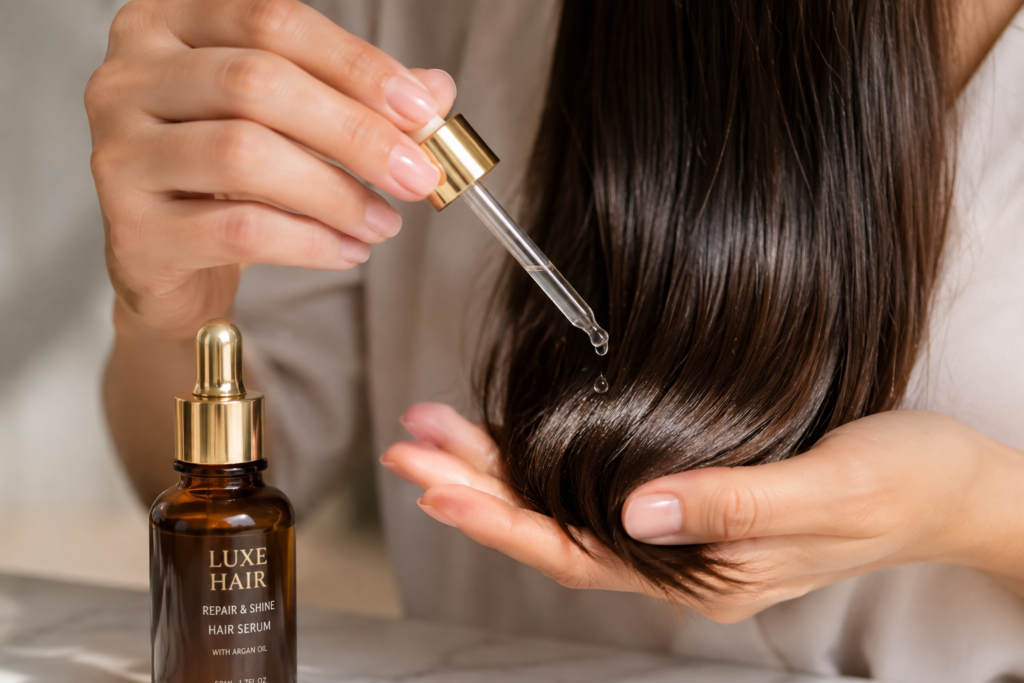
If I had to choose one product that instantly makes my hair look healthier, it would definitely be hair serum. Before I started using one, my hair looked fine immediately after drying, but within a few hours, it became frizzy and difficult to manage. No matter how carefully I styled it, tiny flyaways would appear, especially on humid days. I thought this was just something I had to live with.
Everything changed when I started using a lightweight hair serum. The first time I applied it, I was surprised by how soft and smooth my hair felt. It didn’t make my hair greasy like I had feared. Instead, it added a healthy shine, reduced frizz, and made my hair look much more polished. It was one of those small changes that made a big difference in my daily routine.
I quickly learned that hair serum isn’t meant to repair damaged hair from the inside. Instead, it forms a protective layer around each strand, helping reduce frizz, improve shine, and protect the hair from humidity and environmental stress. Whenever I have an important meeting, a family event, or simply want my hair to look its best, hair serum is the final step I never skip.
What I appreciate most is that I only need a tiny amount. A few drops are enough to transform the appearance of my hair without making it feel heavy. It’s one of the easiest products to use, yet it consistently gives me visible results.
Benefits of Hair Serum
Since adding hair serum to my routine, I’ve noticed several improvements. My hair looks smoother, feels softer, and stays under control for much longer throughout the day. I no longer struggle with excessive frizz every time the weather becomes humid.
Hair serum also makes brushing much easier because it reduces tangles and friction between hair strands. As a result, I experience less breakage while combing my hair. Another benefit is the healthy shine it adds. Instead of looking dull or dry, my hair has a natural glow that doesn’t look oily or artificial.
Some serums also provide protection against heat styling, which is especially useful if you regularly use a blow dryer, curling iron, or straightener. Although I try to limit heat styling, I always apply a protective product beforehand whenever I do use heat tools.
How I Apply Hair Serum
One of the biggest mistakes I made in the beginning was applying too much serum. I thought using more product would make my hair shinier, but it only made it look greasy. Over time, I realized that less is more.
Now, I take just one or two pumps of serum, rub it between my palms, and gently smooth it over the mid-lengths and ends of my damp hair. I never apply it directly to my scalp because that’s where natural oils are already produced.
Sometimes I also use a tiny amount on dry hair to tame flyaways before leaving the house. It instantly makes my hair look neater and more polished without feeling sticky.
Using hair serum has become the final touch in my hair care routine. It only takes a few seconds, but those few seconds make my hair look healthier, shinier, and much more manageable. For me, it’s proof that simple habits often create the biggest transformations over time.
Hair Mask – The Weekend Treatment I Love
I used to think that a hair mask was just another product that beauty brands created to make people spend more money. Since I was already using shampoo and conditioner, I couldn’t understand why I needed an extra treatment. Whenever I saw people talking about hair masks, I assumed they were only for people with severely damaged hair. Looking back, I realize I was completely wrong because adding a hair mask to my routine became one of the best decisions I made for my hair.
My hair goes through a lot every week. Between washing, brushing, tying it into a ponytail, spending time in the sun, and occasionally using heat styling tools, it naturally loses moisture. Even though conditioner keeps my hair soft after every wash, I noticed that it wasn’t enough to deeply nourish my hair over the long term. That’s when I decided to try a hair mask once a week.
The first time I used one, I honestly didn’t expect much. After shampooing my hair, I applied the mask from the middle of my hair down to the ends and left it on for about ten minutes while I finished the rest of my shower. As soon as I rinsed it out, I could already feel a difference. My hair felt incredibly soft, almost like I had just come back from a salon treatment. Once it dried, it looked shinier, smoother, and much healthier than usual.
Now, using a hair mask has become my favorite part of my weekend self-care routine. I usually make myself a cup of tea, play some relaxing music, and take my time instead of rushing through my shower. It’s one of those small habits that makes me feel like I’m taking care of both my hair and myself. I genuinely look forward to it every week because I know how refreshed my hair will feel afterward.
One thing I’ve learned is that hair masks aren’t only for repairing damage—they’re also great for preventing it. Regular deep conditioning helps keep my hair hydrated, reduces frizz, and makes it less likely to break. Since adding this step to my routine, I’ve noticed fewer split ends and much smoother hair throughout the week. It doesn’t replace conditioner, but it gives my hair an extra boost of nourishment that I can actually see and feel.
Why I Started Using a Hair Mask
The biggest reason I started using a hair mask was because my hair constantly felt dry, especially at the ends. No matter how careful I was, my hair still looked dull after a few days. I realized that everyday exposure to sunlight, pollution, and styling was slowly taking a toll on my hair, and it needed something more intensive than my regular conditioner.
After using a hair mask consistently for about a month, I noticed that my hair became much easier to manage. I didn’t struggle with tangles as much, and brushing my hair became much gentler because the strands were smoother. Even on humid days, my hair stayed softer and looked healthier than before.
I also noticed that my hair looked more vibrant. It reflected light better, which gave it a natural shine without looking oily. Friends even asked if I had gotten a professional hair treatment, but the only thing I had changed was adding a weekly hair mask to my routine. That experience convinced me that sometimes the simplest additions to a routine can produce the most noticeable results.
How I Use a Hair Mask Correctly
Over time, I discovered that using a hair mask correctly makes a big difference. I always start by washing my hair with shampoo to remove dirt, oil, and product buildup. Clean hair allows the mask to absorb much better than hair that’s still covered with oil or styling products.
After gently squeezing out the excess water with my hands, I apply the hair mask mainly to the mid-lengths and ends because those parts are usually the driest and most damaged. I avoid putting it directly on my scalp unless the product is specifically designed as a scalp treatment. Then I use my fingers or a wide-tooth comb to distribute the product evenly through my hair.
I leave the mask on for about 10–15 minutes, although I always follow the instructions on the product packaging. During that time, I simply relax, finish the rest of my shower routine, or enjoy a few quiet moments. Once the time is up, I rinse my hair thoroughly with cool or lukewarm water. Every single time I do this, my hair feels incredibly soft, looks shinier, and is much easier to style.
One lesson I’ve learned is that using a hair mask too often isn’t necessarily better. For my hair, once a week is enough to maintain moisture and keep it looking healthy without making it feel heavy. If my hair has been exposed to extra heat styling or harsh weather, I might use it twice a week, but consistency matters far more than overusing the product. Today, my weekend hair mask has become a non-negotiable part of my routine, and it’s one of the easiest ways I keep my hair looking healthy, smooth, and full of life.
My Morning Hair Care Routine
Mornings used to be the most frustrating part of my day because my hair never looked the way I wanted. I would wake up with tangled, frizzy hair that seemed impossible to manage. No matter how much time I spent brushing it, it still looked messy by the time I left the house. I used to think I needed expensive styling products to fix the problem, but over time, I realized that a simple and consistent morning routine worked much better than using multiple products.
The first thing I do every morning is avoid rushing to brush my hair aggressively. Instead, I gently run my fingers through it to remove small tangles before using a wide-tooth comb. This simple habit has reduced breakage because wet or tangled hair is much more delicate than it looks. If my hair feels dry, I apply one or two drops of a lightweight hair serum to the ends. It instantly smooths my hair, controls frizz, and gives it a healthy shine without making it greasy.
On the days I wash my hair, I always let it air dry as much as possible before reaching for a hair dryer. When I do use heat styling tools, I never forget to apply a heat protectant spray. This is one habit I wish I had learned much earlier because heat damage can slowly weaken your hair without you even noticing it. Since I started protecting my hair before styling, I’ve seen fewer split ends and much less dryness.
Another thing that has become part of my morning routine is paying attention to my hairstyle. Instead of tying my hair into a very tight ponytail every day, I choose loose hairstyles that don’t pull on my scalp. Tight hairstyles can cause unnecessary stress on the hair roots, especially if worn daily. Small changes like this have helped my hair feel healthier and more comfortable throughout the day.
I also believe that healthy hair starts from within, so my mornings always include drinking a glass of water before breakfast. Staying hydrated may sound simple, but I’ve noticed that when I consistently drink enough water and eat a balanced breakfast with protein, fruits, and healthy fats, my hair looks healthier over time. While no food can transform your hair overnight, taking care of your body certainly supports healthier hair growth in the long run.
My morning hair care routine only takes about ten minutes, but it completely changes how my hair looks and feels throughout the day. Instead of fighting with my hair every morning, I now enjoy taking a few quiet moments to care for it. It’s a small act of self-care that helps me start the day feeling more confident.
My Night Hair Care Routine
If my morning routine helps my hair look good during the day, my nighttime routine is what helps keep it healthy in the long run. I never realized how much damage could happen while sleeping until I started paying attention to my habits. I used to go to bed with my hair tightly tied up or sometimes even with hairspray still in it after a long day. Looking back, I understand why my hair constantly felt dry and tangled the next morning.
Now, before going to bed, I spend just a few minutes taking care of my hair. The first thing I do is gently brush it to remove any knots that have formed during the day. This prevents my hair from becoming even more tangled while I sleep and reduces breakage the next morning. I always brush gently from the ends upward instead of pulling from the roots, which makes detangling much easier.
If my hair feels dry, I apply a tiny amount of lightweight hair serum or a few drops of nourishing oil only to the ends. This keeps them moisturized overnight and helps prevent split ends. I avoid applying heavy products to my scalp because I prefer letting it breathe while I sleep. It’s a simple habit, but it has helped keep my hair soft and manageable.
One change that made a surprisingly big difference was switching to a satin pillowcase. At first, I wasn’t sure if it would really help, but after a few weeks, I noticed that my hair was much smoother in the morning. It also reduced friction while I slept, which meant fewer tangles and less frizz. If you don’t have a satin pillowcase, using a soft, smooth pillow cover is still better than rough fabrics that can create unnecessary friction.
I also avoid sleeping with soaking wet hair whenever possible. In the past, I would wash my hair late at night and go straight to bed because I was too tired to dry it. The next morning, my hair looked flat, tangled, and difficult to style. Now I make sure my hair is mostly dry before sleeping, and I’ve noticed it stays healthier and feels much stronger.
Finally, I loosely braid my hair or tie it into a soft, low ponytail using a silk or fabric scrunchie. This keeps my hair from rubbing against the pillow all night while avoiding unnecessary tension on the roots. It’s a small habit that has significantly reduced breakage and tangles.
My nighttime hair care routine isn’t complicated, but it’s one of the reasons my hair feels healthier today than it did a few years ago. I’ve learned that beautiful hair isn’t created by one expensive product—it’s built through small, consistent habits practiced every single day. Taking just a few minutes before bed has become one of the best investments I can make in the health of my hair, and every morning I’m reminded that those little efforts are truly worth it.
Foods That Helped My Hair Grow Healthier
Eggs
Eggs are one of my favorite foods for healthy hair because they’re packed with protein and biotin. I try to include them in my breakfast a few times a week since they help keep my hair strong and reduce breakage over time.
Spinach
I never thought spinach would benefit my hair, but it’s rich in iron, Vitamin A, and Vitamin C, which support a healthy scalp. Adding spinach to my meals has become an easy way to improve my overall nutrition.
Salmon
Salmon is loaded with Omega-3 fatty acids and protein, which help keep my hair shiny and healthy. Whenever I include it in my diet, I feel like I’m giving my hair the nutrients it needs from the inside.
Nuts and Seeds
Almonds, walnuts, pumpkin seeds, and sunflower seeds are my favorite healthy snacks. They’re full of Vitamin E, zinc, and healthy fats that help support stronger, healthier-looking hair.
Greek Yogurt
Greek yogurt is a simple breakfast option that’s rich in protein. I enjoy it with fresh fruit because it keeps me full while providing nutrients that support healthy hair.
Berries
Berries are rich in Vitamin C and antioxidants, which help support healthy hair and improve iron absorption. I love adding them to smoothies or yogurt for a refreshing and nutritious snack.
Beans
Beans are rich in protein, iron, and zinc, making them a great plant-based option for healthy hair. They’re an easy addition to soups, salads, or rice dishes.
Water
Drinking enough water is one of the simplest ways I take care of my hair. Staying hydrated helps keep my scalp healthy and prevents my hair from looking dry and dull.
My Favorite Hair Care Products
Shampoo Buy now
Conditioner Buy now
Hair Oil Buy now
Hair Serum Buy now
Hair Mask Buy now
Conclusion

Looking back, I realize that my hair didn’t become healthier because I found one magical product. The biggest change happened when I stopped chasing quick fixes and started following a simple, consistent routine. Choosing the right shampoo, never skipping conditioner, treating my hair to a weekly oil massage and hair mask, and protecting it from unnecessary heat all played an important role. These small habits didn’t give me instant results, but they slowly transformed the way my hair looked and felt.
I also learned that healthy hair isn’t just about the products we use. What we eat, how much water we drink, how well we sleep, and even how gently we treat our hair every day all make a difference. Once I started taking better care of my body and being more patient with my routine, I noticed less hair fall, fewer split ends, and much shinier, softer hair. It reminded me that beautiful hair is a reflection of consistent care rather than expensive treatments.
If you’re struggling with hair fall, dryness, frizz, or dull hair, my advice is to keep things simple. Understand your hair type, choose products that suit your needs, and give them enough time to work. Don’t compare your progress to anyone else’s because every person’s hair journey is different. Stay patient, stay consistent, and celebrate the small improvements along the way.
I hope my personal experience has helped you understand that achieving healthy hair doesn’t have to be complicated. With the right routine and a little dedication, anyone can improve the health and appearance of their hair. Remember, the best investment you can make is taking care of your hair today because healthy habits always pay off in the long run.
Frequently Asked Questions
1. How often should I wash my hair?
It depends on your hair type. I usually wash my hair 2–3 times a week, which keeps my scalp clean without making my hair too dry. If you have an oily scalp, you may need to wash it more often, while people with dry or curly hair can usually wash less frequently.
2. Is hair oil really necessary?
In my experience, hair oil has been one of the most beneficial parts of my routine. While it won’t magically make your hair grow overnight, it helps nourish the scalp, reduce dryness, and keep hair soft and manageable. Oiling once or twice a week has worked well for me.
3. Can I use hair serum every day?
Yes, you can use a lightweight hair serum daily, especially if your hair becomes frizzy or dry. I only apply a small amount to the mid-lengths and ends of my hair to add shine and control flyaways. Avoid applying serum directly to your scalp unless the product is specifically designed for it.
4. Which shampoo is best for hair fall?
There isn’t one shampoo that works for everyone because hair fall can have many different causes. I always recommend choosing a shampoo based on your hair type and scalp condition rather than buying whatever is trending. A gentle shampoo combined with a healthy diet and consistent hair care routine usually gives the best long-term results.
5. How long does it take to improve hair health?
From my own experience, I started noticing small improvements after about 4–6 weeks of following a consistent routine. My hair became softer, smoother, and easier to manage. More noticeable changes, like reduced breakage and healthier-looking hair, took around 2–3 months. The key is to stay patient and consistent because healthy hair is built over time, not overnight.